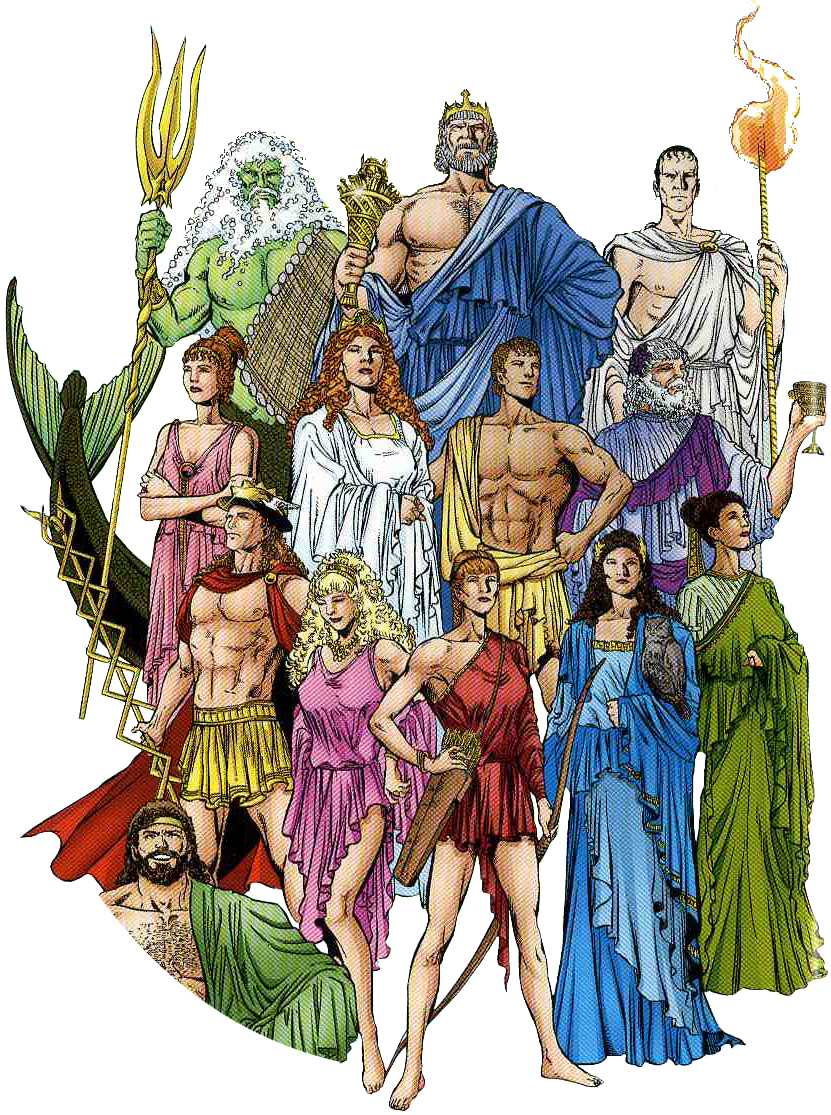
The ancient artwork from the Greek, Roman, and Byzantine eras show an understanding of human form and detailed sculptural renderings. through looking at their work and trying to understand their techniques we can learn a lot. Although their proportions were not always correct they still emphasized detail while using very basic tools for carving and chiseling. the architecture during these time periods flourished as well. to this day we still have a hard time understanding how the buildings that were made were built. Architects and engineers to this day study the work in Greece and Rome in an attempt to unlock some of the mysteries that the buildings present. As they try to rebuild some of the more iconic structures, engineers and architects alike are finding themselves stuck in some places by the complexity that the buildings go into. To this day artists are influenced by the sculptural movement that happened hundreds of years ago. Artist Huma Bhabha clearly drew from classical sculptural elements in her very modern show “Unnatural Histories” at Moma Ps1 gallery in Queens, New York. While the show was very modern, her use of the figure and the materials she carved them out of had some very classical elements to it. I feel that he art from this time can influence my own in the sense that I draw from these sculptures and figures as well as the mythology that goes with them. I have always been fascinated with Greek and Roman mythology and now learning and seeing the artwork that went with it has been very enlightening.
The time period as well as the piece that interested me the most of all was the Colosseum. To this day it still remains the largest amphitheatre in the world. To me it is the most impressive work of Roman architecture and engineering. Only taking about a decade to build, and having been done so without modern technology makes it that much more impressive as well as the fact that it could seat 50,000 people. It was used to house gladiator fights, mock battles, plays, and other forms of roman entertainment to “please” the masses. I was very interested as well as curious as to how it was actually put together. Due to the fact that it is built on a slight incline, each piece within it was custom made and fitted together very specifically. Today as modern architects attempt to fix and rebuild the parts that were broken, they are struggling due to the complexity of the design and the fact that each broken piece belongs in a very specific location. I am also very interested with what went on in the Colosseum as I have always been interested and attracted to the gladiator fights that are notorious for taking place with the walls of the Colosseum. Although this time period also saw many other great works of engineering and art, such as the Pantheon and the many great arches that were built, the Colosseum to me is still the most interesting with its history and complexity of design.
From 900 BCE to 480 BCE Greece went through the greek art period as well as the Archaic Period. art during this time consisted of painted pottery and sculpture. The greeks made very detailed sculptures of their heroes and gods, as well as painting them onto their pottery. A piece made by Exekias, depicts the heroes from Homer’s Iliad Achilles and Ajax playing a game together on a table. From 480 BCE to 400 BCE, The Early as well as the High Classical period passed. The most notable creation during this period was the Parthenon. The Parthenon was created as a temple to Athena the greek goddess of wisdom, whom the people of Athens saw as their patron goddess. The building is adorned with many decorative statues and sculptures. During this time period the Peloponnesian war occurred and with it the fall of Sparta and the rise of Athens and its art, literature and culture, all of which would greatly influence the Roman empire in later years. The Later classical period as well as the Hellenistic periods which followed saw more fine sculpture, with Lysippos depiction of Herakles and Praxiteles sculpture of Hermes as well as sculptures of Nike and Aphrodite. The Etruscan Art period in Italy is the name given for the time directly before italy became part of the Republic of Rome as well as the empire. The Roman empire and Italy became the center for the arts just as Greece had been before them. From 27 BCE to the 4th century and Late Empire, Rome created many great sculptures and buildings. The most notable of these being the Pantheon as well as the Colosseum. The pantheon was commissioned by Marcus Agrippa and served as a temple to the Ancient Roman gods. The Colosseum served as the largest amphitheatre and was the stage for many plays, gladiator fights, and other forms of Roman entertainment. After the decline of Rome, the Byzantine empire began its rise. From the 6th to the 15th century there were great advancements in Christian art as well as being able to preserve such pieces. Churches were painted with bright colors and high regal ceilings and obvious depictions of Jesus.