Sunday, May 5, 2013

Pictures


Test 3 Question 3


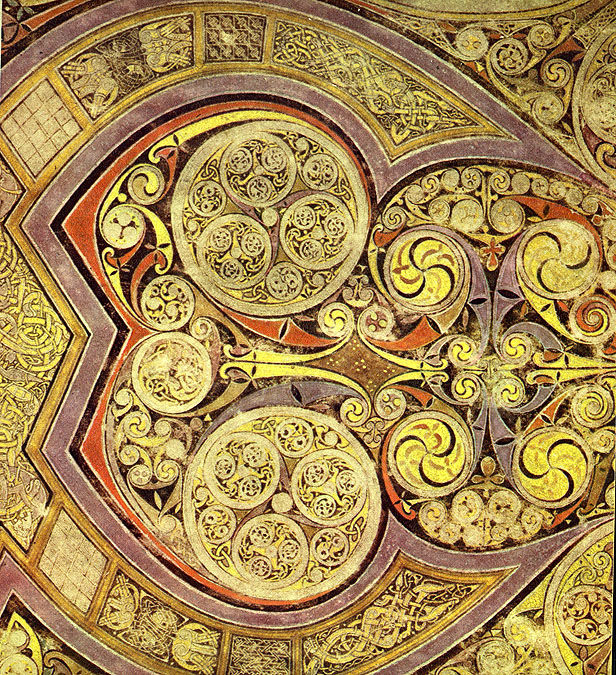
The artwork created between the 6th and 15th century while highly religious based, did show amazing craftsmanship, use of color, and architecture. The knowledge of the Italian renaissance masters is still very helpful today. I do not feel that these works and artists influence the theme of my art, as I tend to avoid religious themes, however one can learn a lot from there sense of color, composition, and technical skills. I can also look at these pieces and learn from past artists mistakes. In pieces such as Virgin and Child Enthroned I feel that the central composition is boring and others do a better job at being more engaging and exciting. The illuminated manuscript’s calligraphy was incredible and I hope to be able to incorporate more beautiful text into my work. I was very impressed by the pages from the Book of Kells at which I looked. I loved the red, red, and gold ink and paint combination found in the Book of Kells as well as many paintings during the 14th and 15th century. As an art student I do not currently see many contemporary artists drawing up renaissance themes for their works as the overly religious paintings and sculpture have “gone out of style” as the church is no longer the largest art patron. However to this day every artist studies or has studied the work of the Italian masters, as they are still being recognized as some of the best painters and sculptors that the world has ever seen.

Test 3 Question 2


The pieces that interested me the most were pieces such as David by Michelangelo and his later created The Creation of Adam. I found these the most interesting as they were pieces that I Had heard of seen before throughout my entire life, to now understand their backgrounds and meaning was very interesting. The Creation of Adam is from Michelangelo’s fresco within the Sistine chapel and it depicts a scene from the book of genesis. With god’s hand almost touching Adam’s, the figures are incredibly well rendered and the colors are vivid. This piece today is one of the most recognizable and famous in the entire world. The reason I found it the most interesting was its influence on pop culture today and the number of time I had seen it before without ever discussing it. David is another well known piece which I had seen for years before ever learning about it.  Created after the hero David from the bible, the statue shows perfect form and an ideal man. As it represents that man who defeated a giant(Goliath) it became a symbol of civil liberties in the Florentine Republic in Italy.  To this day many have made replications of his work and one can see them all over the world. A replica now sits where the original once was, as it has been moved to the Accademia Gallery in Florence. These pieces were ones that I had heard of for years but never learned about. To receive this information makes the pieces all the more interesting as well as raising questions as to how such large perfect pieces were ever created by just one man. 

Test 3 Question 1


From the 6th century to the 15th, Europe and the Americas saw a huge change in art and architecture with an emphasis on religion. Thousands of pieces were commissioned by churches with the rise of Christianity as well as an increase in art patrons. The architecture in the Americas began to increase as large temples were constructed such as Temple I in Guatemala. In Europe we saw the rise of medieval and Romanesque art. Pieces such as the book of Kells and the Palace Chapel of Charlemagne were created. These were two good examples of the religious oriented pieces that were being created at this time, the book of Kells being created by monks and containing the four Gospels of the Old Testament. The Romanesque art created were all churches and cathedrals with elaborate carvings and decorations, modeled after the roman architecture that came before it. These cathedrals such as the abbey church of Notre Dame contained large arches where one can see the Romanesque styling. This period led onto the gothic art in which more cathedrals were constructed this time with beautiful stained glass windows and tall, complicated spires. The stained glass windows were very important ass they usually portrayed various scenes from the bible. During the 14th and 15th century in Europe many more religious paintings were commissioned. These paintings often were of Christ and a scene from the bible.  In paintings like Virgin and Child enthroned by Cimabue as well as Bondone’s one can see the central composition and muted blues and reds along with lots of gold with gave it a sacred feeling. In Europe the Renaissance and High Renaissance were deemed the reach of perfection for art, masters such as Da Vinci, Michelangelo, Raphael, and Donatello led them. This time saw the best religious related work created. World renown pieces were created such as David and the Creation of Adam. During this time religious commissioned work reached its pinnacle.  

Thursday, March 7, 2013

Pictures


Question 3, Test 2

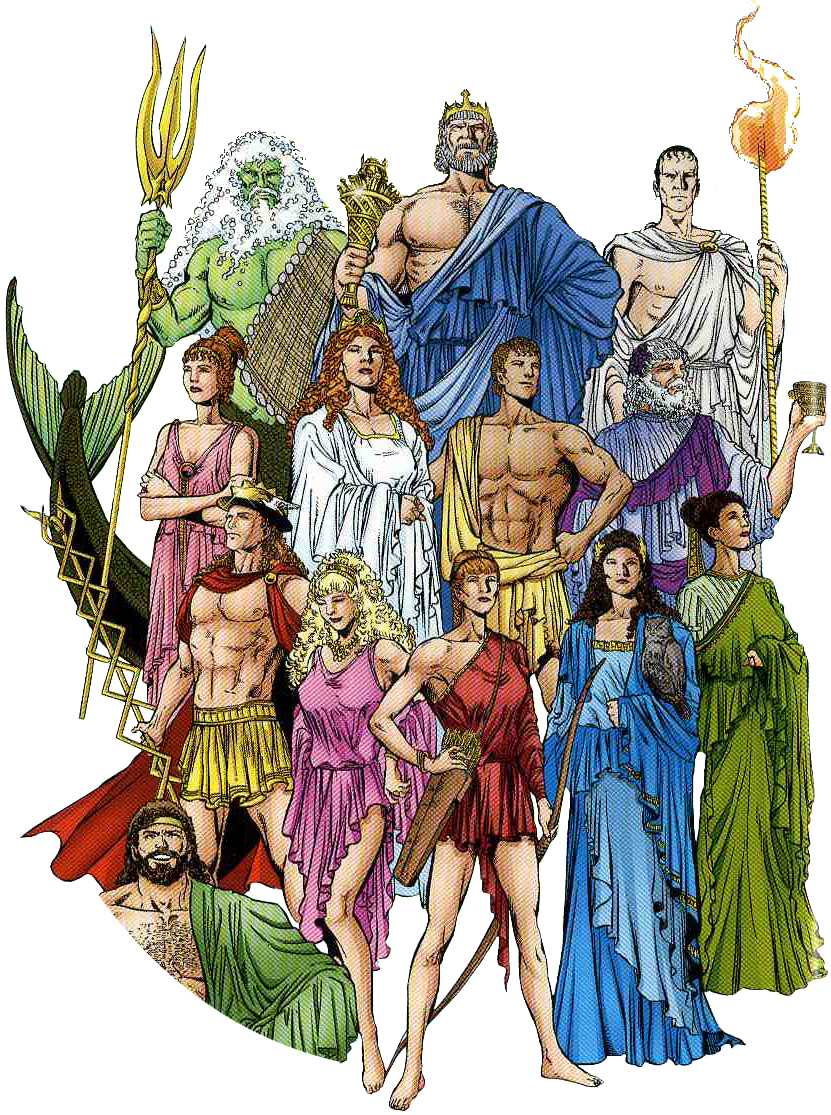
The ancient artwork from the Greek, Roman, and Byzantine eras show an understanding of human form and detailed sculptural renderings. through looking at their work and trying to understand their techniques we can learn a lot. Although their proportions were not always correct they still emphasized detail while using very basic tools for carving and chiseling. the architecture during these time periods flourished as well. to this day we still have a hard time understanding how the buildings that were made were built. Architects and engineers to this day study the work in Greece and Rome in an attempt to unlock some of the mysteries that the buildings present. As they try to rebuild some of the more iconic structures, engineers and architects alike are finding themselves stuck in some places by the complexity that the buildings go into. To this day artists are influenced by the sculptural movement that happened hundreds of years ago. Artist Huma Bhabha clearly drew from classical sculptural elements in her very modern show “Unnatural Histories” at Moma Ps1 gallery in Queens, New York. While the show was very modern, her use of the figure and the materials she carved them out of had some very classical elements to it. I feel that he art from this time can influence my own in the sense that I draw from these sculptures and figures as well as the mythology that goes with them. I have always been fascinated with Greek and Roman mythology and now learning and seeing the artwork that went with it has been very enlightening.

Question 2, Test 2

The time period as well as the piece that interested me the most of all was the Colosseum. To this day it still remains the largest amphitheatre in the world. To me it is the most impressive work of Roman architecture and engineering. Only taking about a decade to build, and having been done so without modern technology makes it that much more impressive as well as the fact that it could seat 50,000 people. It was used to house gladiator fights, mock battles, plays, and other forms of roman entertainment to “please” the masses. I was very interested as well as curious as to how it was actually put together. Due to the fact that it is built on a slight incline, each piece within it was custom made and fitted together very specifically. Today as modern architects attempt to fix and rebuild the parts that were broken, they are struggling due to the complexity of the design and the fact that each broken piece belongs in a very specific location. I am also very interested with what went on in the Colosseum as I have always been interested and attracted to the gladiator fights that are notorious for taking place with the walls of the Colosseum.  Although this time period also saw many other great works of engineering and art, such as the Pantheon and the many great arches that were built, the Colosseum to me is still the most interesting with its history and complexity of design.

Question 1, Test 2


From 900 BCE to 480 BCE Greece went through the greek art period as well as the Archaic Period. art during this time consisted of painted pottery and sculpture. The greeks made very detailed sculptures of their heroes and gods, as well as painting them onto their pottery. A piece made by Exekias, depicts the heroes from Homer’s Iliad Achilles and Ajax playing a game together on a table. From 480 BCE to 400 BCE, The Early as well as the High Classical period passed.  The most notable creation during this period was the Parthenon. The Parthenon was created as a temple to Athena the greek goddess of wisdom, whom the people of Athens saw as their patron goddess. The building is adorned with many decorative statues and sculptures. During this time period the Peloponnesian war occurred and with it the fall of Sparta and the rise of Athens and its art, literature and culture, all of which would greatly influence the Roman empire in later years. The Later classical period as well as the Hellenistic periods which followed saw more fine sculpture, with Lysippos depiction of Herakles and Praxiteles sculpture of Hermes as well as sculptures of Nike and Aphrodite. The Etruscan Art period in Italy is the name given for the time directly before italy became part of the Republic of Rome as well as the empire. The Roman empire and Italy became the center for the arts just as Greece had been before them. From 27 BCE to the 4th century and Late Empire, Rome created many great sculptures and buildings. The most notable of these being the Pantheon as well as the Colosseum. The pantheon was commissioned by Marcus Agrippa and served as a temple to the Ancient Roman gods. The Colosseum served as the largest amphitheatre and was the stage for many plays, gladiator fights, and other forms of Roman entertainment. After the decline of Rome, the Byzantine empire began its rise. From the 6th to the 15th century there were great advancements in Christian art as well as being able to preserve such pieces. Churches were painted with bright colors and high regal ceilings and obvious depictions of Jesus.   

Thursday, February 7, 2013

Pictures


Question 3, Test 1

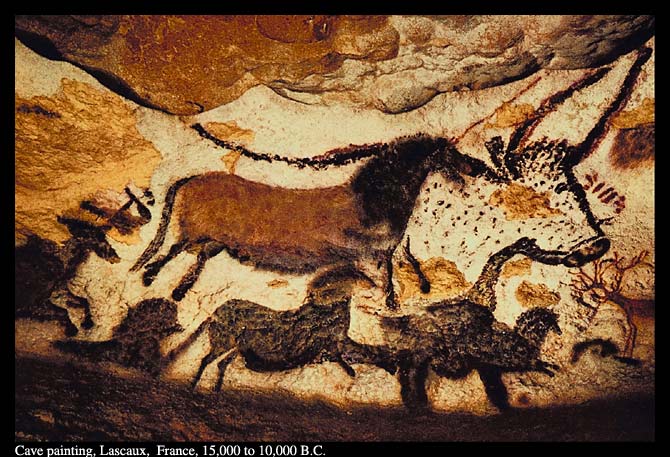
From these ancient great pieces of art one can gain a lot. Most cave paintings were very good at achieving the most basic form of a creature and the style and line work is beautiful. They overlap and even manage to capture motion in their simplistic line drawings. I would like to learn how to be able to capture such motion so simply as it would help my future as an animator and in storyboarding. The many recreations of gods and of myths greatly inspires me as well as they are portrayed fantastically with great strength and stories to go along with them. Contemporary artists due draw influence from these pieces as constant recreations are made of ancient art. The fantastic architecture still inspires great movies and stories to be made as to what happened at those places. People taking great Egyptian and Greek myths and retelling them through movies and plays. From looking at these ancient pieces and the start of painting and sculpture one can see how these art forms have become what they are today. The advancement from simple line drawing, to painted in carvings, and the change from simple stone statues to the Giant Sphinx. I find that some pieces from this time are almost more skillfully built than some built now even with all our advancements in technology. As this is the case, we still have lots that we can learn and be influenced by from these ancient pieces of art. The ability to capture a more simple refined beauty.

Question 2, Test 1

The topic and period that interested me the most was the The Old Kingdom in Egypt and the mysteries that it brought. Within this period the Great Pyramids were created as well as the Giant Sphinx and stone carvings of Khafre, and Menkaure and a Queen. I found the mystery of how these giant carvings and pyramids were created intriguing as to this day they are still in very good shape and were created with very basic tools and no machinery to move the giant pieces of stone. With the sphinx also comes a mystery as to who the face on the giant sphinx is supposed to be. However most evidence points towards it being Khafra. Egyptian culture has always intrigued me and the Old Kingdom holds the most iconic egyptian examples of architecture. Some things that I was very curious about and have been very interested in are how the Sphinx and pyramids were built as well as how the mummification process was done. The pyramids were built through the use of slaves who would pull large slabs of stone on logs so they would roll and slowly build up the pyramid. The Sphinx was built with ancient tools, more than likely a hammer and chisel and was very skillfully built. As to the mummification process, when a pharaoh died they would take the body and take out the organs and preserve them for use in the afterlife. The liver, lungs, stomach, and intestines were taken out and put in jars, while the heart was left inside the body so it could be weighed in the next step in the afterlife process.    

Question 1, Test 1

The Paleolithic period was the earliest time period in which we have been able to find art. Some notable discoveries from the Paleolithic period include the Woman from Willendorf, Wall Painting with Horses, Rhinoceroses, and Aurochs in the Chauvet Cave, and Bison in Spain. These were cave paintings and sculptures. The sculpture Woman from Willendorf is a very crude sculpture, emphasizing the fertility of women through its proportions. The cave paintings were made from a mix of charcoal and animal fat and have remained preserved for thousands of years, often in air tight caves. After the Paleolithic Period came the Neolithic period in which pieces such as New Grange and Stonehenge were created. These places puzzled archaeologists as they struggled to understand how such places were carved and created with such primitive tools. The next time period in which art was found from, was Sumer. Both in its first and second period. Art from these periods showed the advancement of sculpture and the use of paint to color sculptures such as The Great Lyre with Bull’s Head in Iraq. The Babylon period while under the control of Hammurabi yielded The Stele of Hammurabi in Iran; a detailed carving into stone. Through the Assyrian, Neo-Babylonian and Persian periods one can see the advancement of sculpture and masonry as well as mastering the use of paint on these surfaces. The Egyptians after them continued this advancement of stone as they created great pyramids and the Giant Sphinx. During this time in Crete the “Palace” and the Bull Leaping were created in Crete. The “Palace” inspired by the myth of the Minotaur and the Labyrinth. In the Helladic culture stone was being used for building and people made jewelry and reconstructions of the face in gold. Through these periods art and architecture has advanced from simple charcoal drawings to painted detailed sculptures and giant buildings that we would struggle to create today.